







Forgiving Fabrics and Clever Color Values
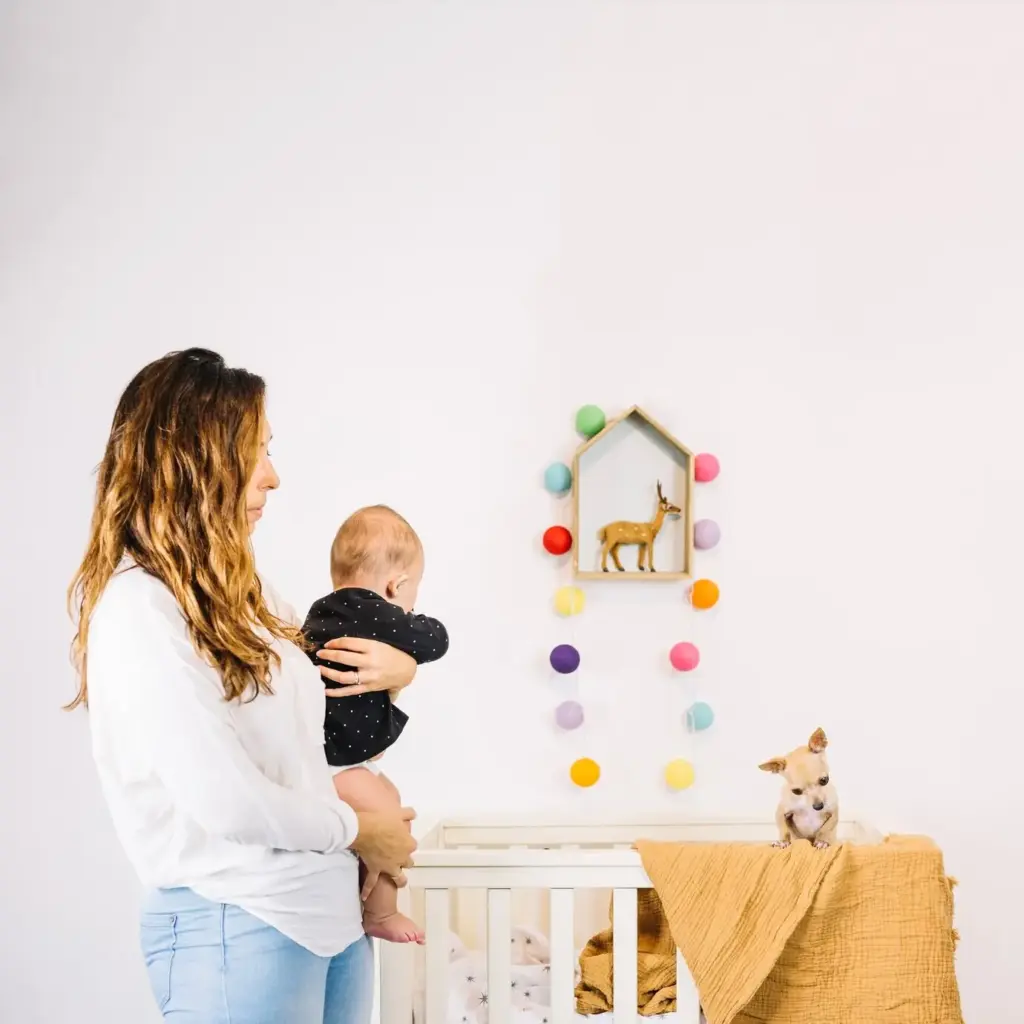
Choose medium-value colors that mask crumbs and fur. Heathered blends, tweeds, and small-scale patterns diffuse stains. Machine-washable cotton throws handle movie-night spills, and indoor–outdoor rugs shrug off muddy paws. Keep duplicate pillow covers ready, swapping on laundry day so rooms remain composed while life joyfully unfolds.
Maintenance That Feels Manageable
Anchor the week with one laundry and floor day, then schedule a daily ten-minute reset after dinner. Robot vacuums run during school hours, while microfiber cloths live where messes happen. Regular grooming lessens shedding, and monthly deep-clean sprints protect weekends. Small, predictable habits make tidiness cooperative, light, and sustainable.
Entryway Systems That Catch the Chaos
Layer two doormats—coir outside, washable runner inside—then add a tray for boots, a bin for balls, and hooks at kid height. A towel rail near the door handles wet paws. Label cubbies by name to prevent mix-ups, keeping departures smooth and arrivals peaceful even after muddy adventures together.